You've found the perfect occasion, you've got a budget in mind, and you want to give something that genuinely means something. But then comes the paralysis: engraving or embroidery? A name or a date? What if they hate it? Finding a personalised gift that truly resonates is harder than it looks, and the gap between a forgettable present and one that gets kept for decades often comes down to a handful of decisions most people overlook. This guide walks you through every stage, from choosing the right customisation method to avoiding the mistakes that quietly ruin otherwise thoughtful gifts.
Table of Contents
- Choosing the right customisation method
- How to personalise gifts based on the recipient
- Mistakes to avoid when creating custom gifts
- Personalisation trends and the future of gifting
- Why most custom gifts miss the mark—and what actually stands out
- Bring your custom gift ideas to life
- Frequently asked questions
Key Takeaways
| Point | Details |
|---|---|
| Choose the best technique | Match the customisation method to your product, purpose, and recipient for lasting impact. |
| Personal details matter | Small touches like names, dates, or meaningful images make gifts truly unique. |
| Avoid common pitfalls | Double-check spelling, preview designs, and allow enough time for production before big occasions. |
| Trends boost inspiration | AI, sustainability, and thoughtful design are reshaping personalised gifts, so watch for new ideas. |
Choosing the right customisation method
Having set the stage for why personalisation makes gifts more memorable, let's look at the main methods available and when to use them.
The technique you choose shapes everything: how the finished piece looks, how long it lasts, and whether it suits the material you're working with. Key customisation methods include engraving, embroidery, screen printing, UV printing, embossing/debossing, and sublimation, and each one has a distinct personality.
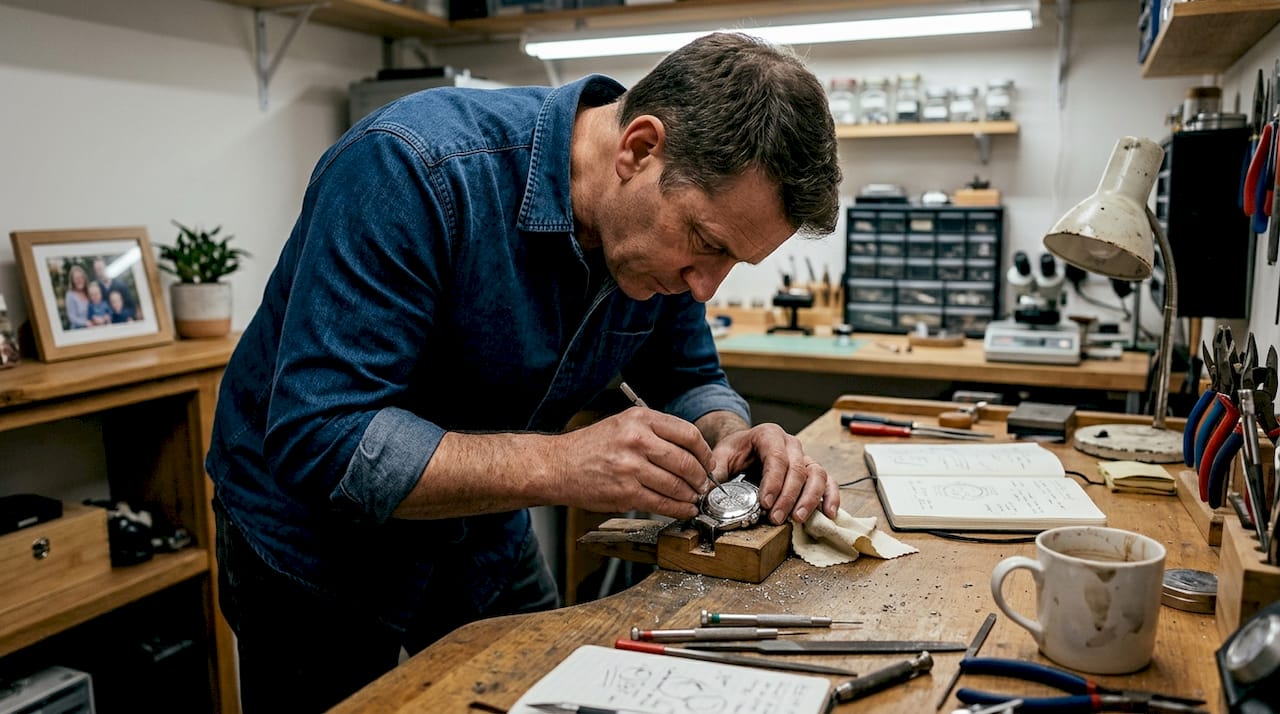
Engraving cuts or etches directly into a surface, making it the most permanent option. It works beautifully on glass, metal, wood, and crystal. Embroidery suits fabric items like bags, towels, and clothing, giving a tactile, premium feel. Screen printing is cost-effective for large runs but fades over time. UV printing allows full-colour photo-quality images on almost any flat surface. Embossing and debossing create raised or recessed impressions, ideal for leather goods and stationery. Sublimation bonds dye into fabric or coated surfaces, producing vivid, wash-resistant results.
Here's a quick comparison to help you decide:
| Method | Typical cost | Lead time | Best for |
|---|---|---|---|
| Engraving | £££ | 3–7 days | Crystal, metal, wood keepsakes |
| Embroidery | ££ | 5–10 days | Clothing, bags, towels |
| Screen printing | £ | 3–5 days | T-shirts, tote bags (bulk) |
| UV printing | ££ | 2–5 days | Phone cases, tiles, flat surfaces |
| Embossing | ££ | 5–7 days | Leather goods, notebooks |
| Sublimation | £ | 2–4 days | Mugs, cushions, fabric panels |
A few quick pros and cons worth keeping in mind:
- Engraving: Permanent and elegant, but limited to hard surfaces and typically one colour
- Embroidery: Durable and tactile, but not suited to fine detail or photographic images
- UV printing: Versatile and vibrant, but can chip on curved or textured surfaces
- Sublimation: Great for photos, but only works on polyester or specially coated items
- Screen printing: Affordable at scale, but quality drops with complex designs
Pro Tip: If you're creating a gift meant to last a lifetime, opt for engraving at a depth of 0.3mm or more. Shallow engravings can wear down over years of handling, especially on keyrings or frequently touched items.
The occasion matters too. A wedding gift calls for something permanent and elegant, which makes engraving the natural choice. A corporate event with 200 attendees might suit sublimated mugs or screen-printed bags far better.
How to personalise gifts based on the recipient
Once you've chosen the best customisation technique, the next step is matching it to the person you're gifting.
The most common mistake people make is jumping straight to the product before thinking about the person. A structured approach saves time and produces far better results. Follow these steps:
- Research their tastes and lifestyle. Do they prefer minimalist design or bold, colourful pieces? Are they sentimental or practical? A quick look at their home décor or social media gives you strong signals.
- Match the style to the occasion. Birthdays suit personal touches like names, meaningful dates, or inside references. Weddings call for monograms, motifs, or couple-specific details. Corporate gifting works best with clean logos and professional messaging.
- Add a meaningful element. This is what separates a good gift from a great one. A specific date, a line from a favourite song, coordinates of a meaningful place, or a private nickname all add layers that a generic gift simply cannot.
- Preview the design before ordering. Most reputable personalisation services offer digital previews. Use them. Typos, awkward spacing, and poor font choices are all fixable at this stage and costly once engraved.
- Choose the right delivery window. Factor in production time and any special presentation you want, such as gift wrapping or a handwritten card.
The personalised gift design process follows this same logic: assess preferences first, select the product, add personal touches, preview everything, then confirm delivery.
"Personalisation boosts perceived gift value by 15 to 25%, making recipients feel the giver invested real thought rather than just money."
Pro Tip: Always request a digital proof, even for simple text engravings. It takes two minutes to check and can save you from a genuinely painful mistake, especially for wedding gifts or memorial pieces.
Mistakes to avoid when creating custom gifts
Even with the perfect method and thoughtful intent, it's easy to trip up without careful planning.
Personalised gifts carry higher emotional stakes than off-the-shelf options. When they go wrong, they go wrong visibly. Here are the most common pitfalls and how to sidestep them:
- Spelling errors. Always double-check names, especially unusual spellings. "Kathryn" versus "Katherine" is the kind of mistake that stings.
- Clashing colours or design styles. A bold neon design on a sleek crystal piece looks jarring. Match the aesthetic to the product and the recipient's taste.
- Tastes mismatch. Gifting a wine glass to someone who doesn't drink, or a fitness-themed item to someone who finds that uncomfortable, misses the point entirely.
- Private jokes or photos. Avoid personal photos or inside jokes unless you know the recipient very well. What feels warm to you might feel awkward or invasive to them.
- Low-resolution images. Submitting a blurry photo for UV printing or sublimation produces a blurry result. Always use the highest resolution image available.
- Ignoring size and fit. A name engraved in 6-point font on a large slate looks lost. Scale your design to the product dimensions.
- Leaving it too late. Most custom gifts require 5 to 14 days for production and delivery. Ordering the day before a birthday is a gamble you'll almost certainly lose.
One figure worth knowing: when sellers use digital preview tools, error rates drop to just 5 to 8%. That's a dramatic reduction compared to orders placed without any visual confirmation. The preview step is not optional; it's the single most effective quality check available to you.
Planning ahead also gives you time to correct mistakes before they become permanent. Rush orders not only cost more but leave no room for adjustments.
Personalisation trends and the future of gifting
Finally, let's look at where personalisation is heading and how to future-proof your gifting approach.
The personalised gifts market is growing fast. The global market is valued at $30 to 31 billion in 2025, projected to reach $33 to 45 billion by 2026 to 2030 at a compound annual growth rate of 7 to 8.7%. That's not a niche trend. It's a fundamental shift in how people think about giving.
Here's how personalised gifts compare to generic alternatives:
| Factor | Generic gift | Personalised gift |
|---|---|---|
| Perceived value | Standard | 15–25% higher |
| Retention rate | Low | Significantly higher |
| Emotional impact | Moderate | Strong |
| Email open rate | ~39% | ~85% (corporate gifting) |
| Repeat purchase rate | Average | Up to 50% higher |
Several trends are shaping the next wave of personalisation:
- AI-driven recommendations. Algorithms now suggest designs based on browsing history, past purchases, and recipient profiles. Useful for inspiration, but best paired with human judgement.
- Eco-friendly materials. Sustainable wood, recycled glass, and responsibly sourced crystal are growing in demand, particularly among younger buyers.
- Hyper-local personalisation. Coordinates, local landmarks, and regional references are increasingly popular, especially for milestone birthdays and anniversaries.
- Subscription gifting. Curated personalised boxes sent monthly are gaining traction in both consumer and corporate markets.
- 3D crystal and laser engraving. Advances in laser technology now allow photographic-quality 3D images inside crystal blocks, turning photographs into permanent, dimensional keepsakes.
For corporate gifting specifically, the ROI is compelling. Personalised gifts drive up to 5x better client retention compared to generic branded merchandise, and gifting emails achieve 85% open rates versus the 39% typical of standard marketing emails.
Why most custom gifts miss the mark—and what actually stands out
Here's an honest view of what truly makes a customised gift special, beyond the trends and techniques.
Most people stop at the name and the date. They add a first name to a keyring or engrave a wedding date on a frame and consider the job done. It's not done. A name is a label. What makes a gift genuinely moving is context: the specific memory it references, the inside language it uses, the story it tells without needing explanation.
Following trends blindly creates a different problem. AI recommendation tools are genuinely useful for sparking ideas, but if you hand the entire creative process to an algorithm, you end up with something that could have been bought for anyone. The recipient can feel that.
The gifts people keep for decades share one quality: they required someone to think. Not just spend. The engraved coordinates of where a couple first met. The crystal with a pet's face captured in three dimensions. The slate with a handwritten message recreated in laser-precise detail. These gifts work because someone paid attention, made decisions, and put themselves into the process. That investment is what the recipient actually receives.
Bring your custom gift ideas to life
Ready to create a one-of-a-kind present? Here's how to get started.
Knowing the techniques and avoiding the pitfalls is only half the journey. The other half is finding a maker who can execute your vision with genuine craft and precision. At NexRed custom keepsakes, every piece is handmade to your exact specification, whether that's a 3D crystal portrait, a laser-engraved slate, or a personalised tumbler for a corporate event.
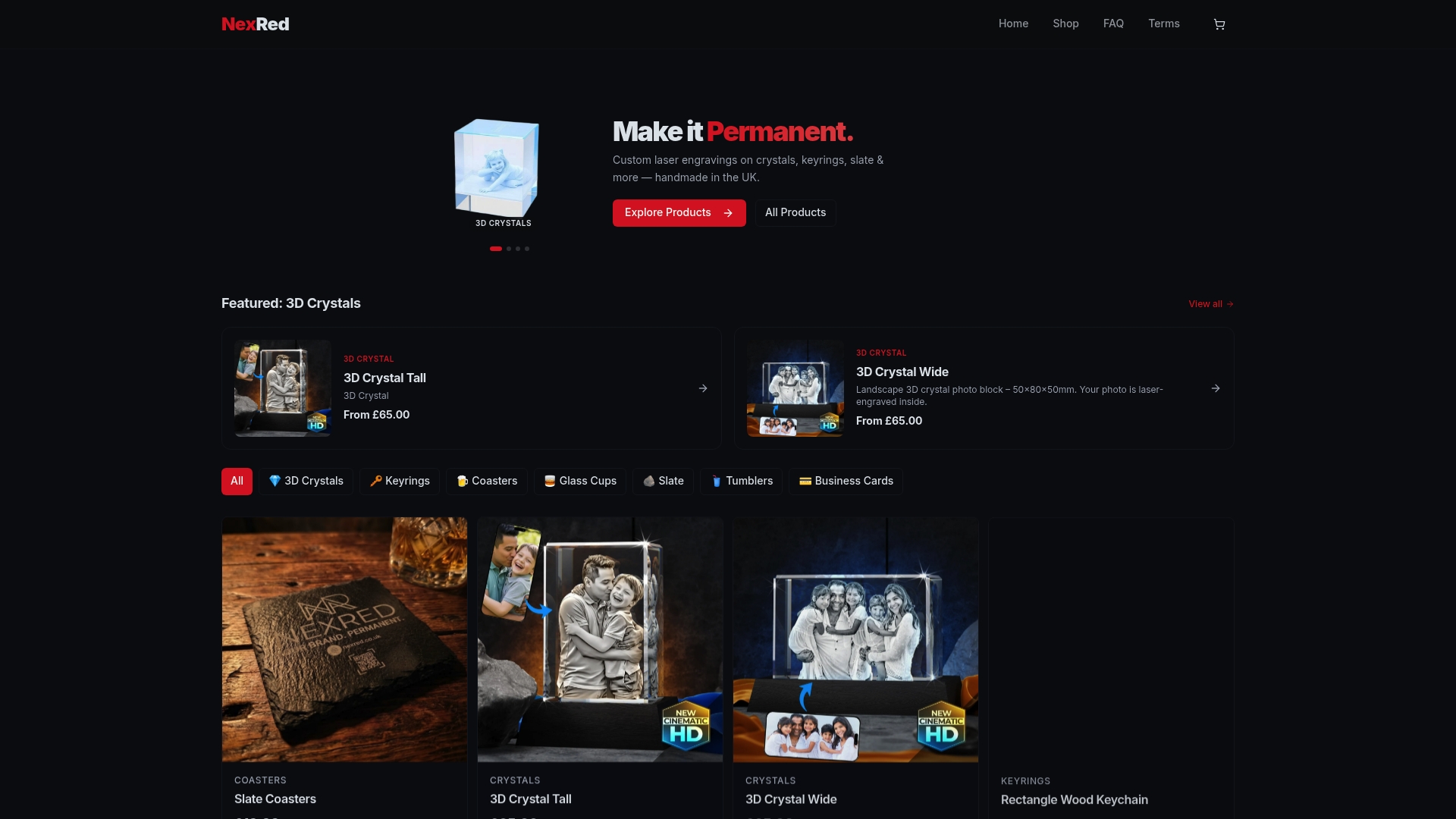
NexRed offers digital previews before production, so you can check every detail before anything is engraved. The range covers birthdays, weddings, memorials, and business branding, with expert laser engraving that creates permanent, high-quality results. If you've been inspired by the ideas in this guide, browsing the full collection is the natural next step. Your perfect personalised gift is closer than you think.
Frequently asked questions
How long does it take to make a personalised gift?
Custom gifts typically require 5 to 14 days for production and delivery, so it's worth ordering well in advance of any occasion.
What are the easiest ways to personalise affordable gifts?
Engraving a name or short message is one of the simplest and most effective options. Engraved products consistently achieve higher perceived value and near-zero return rates, even at lower price points.
Are AI tools effective for gift customisation?
AI tools are helpful for generating ideas and narrowing down options, but the best gifting outcomes come from combining algorithmic suggestions with genuine personal knowledge of the recipient.
Should I avoid using personal photos on gifts?
Only use personal photos for recipients you know very well. For others, timeless motifs or meaningful text are safer choices that still feel personal without crossing into uncomfortable territory.